La Conner & Environs … Some Wanderings
I had the day to myself in La Conner, WA – a colorful, artistic town on the banks of the Skagit River – a place that in the spring is surrounded by a kaleidoscope of tulips and daffodils – an area where my grandparents and great grandparents set down roots and raised families….
(Click to enlarge photos)
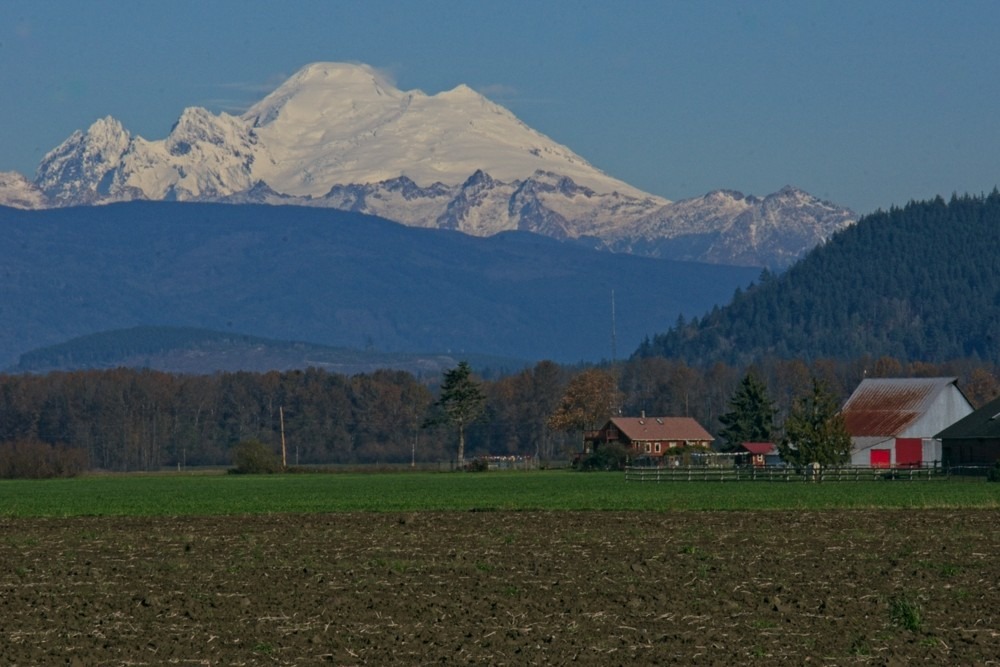
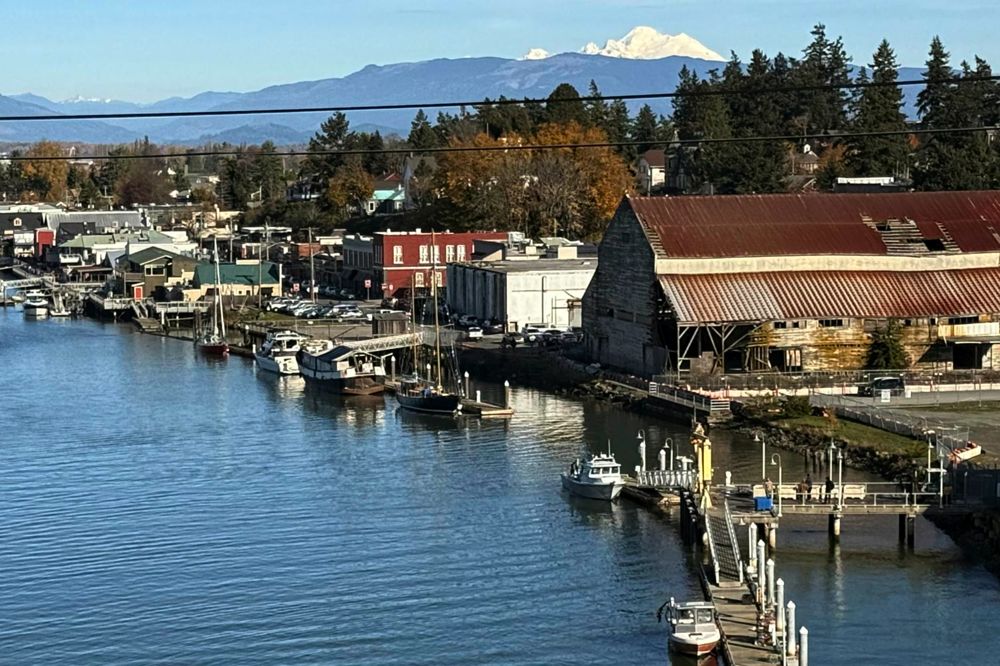
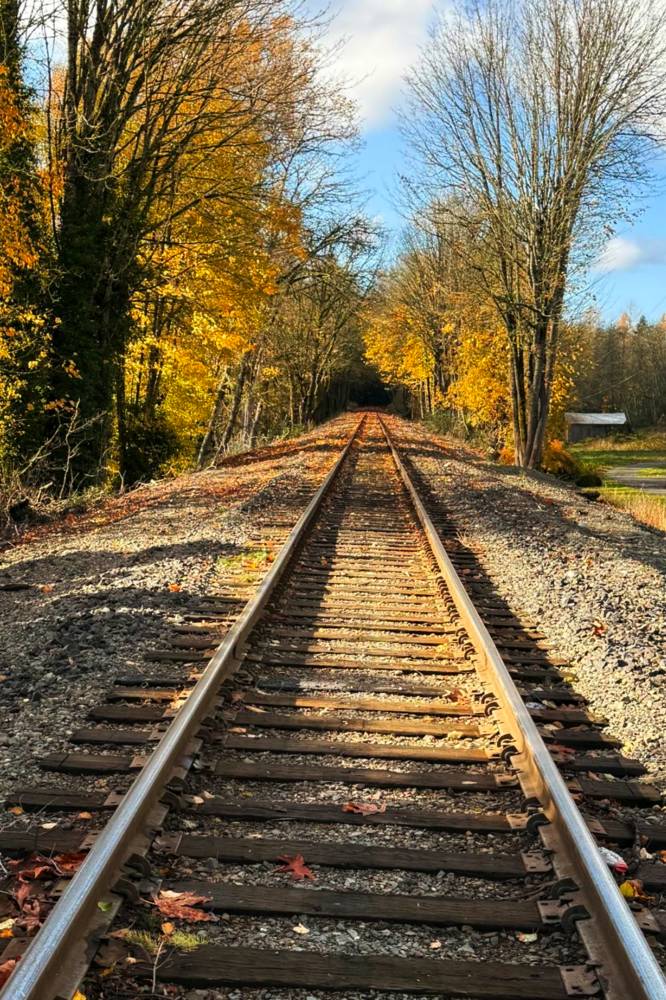
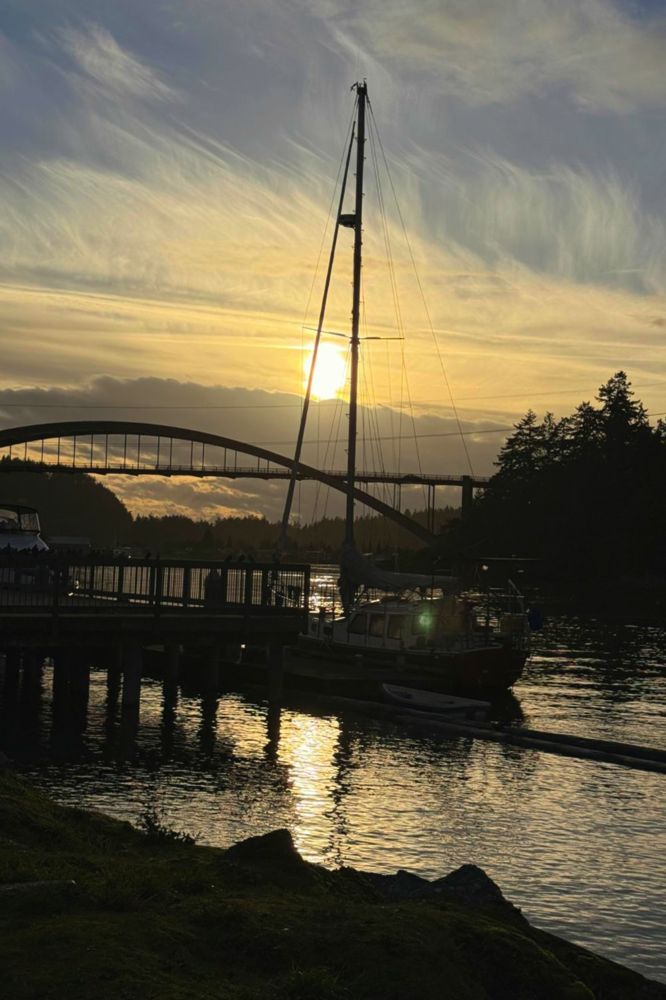
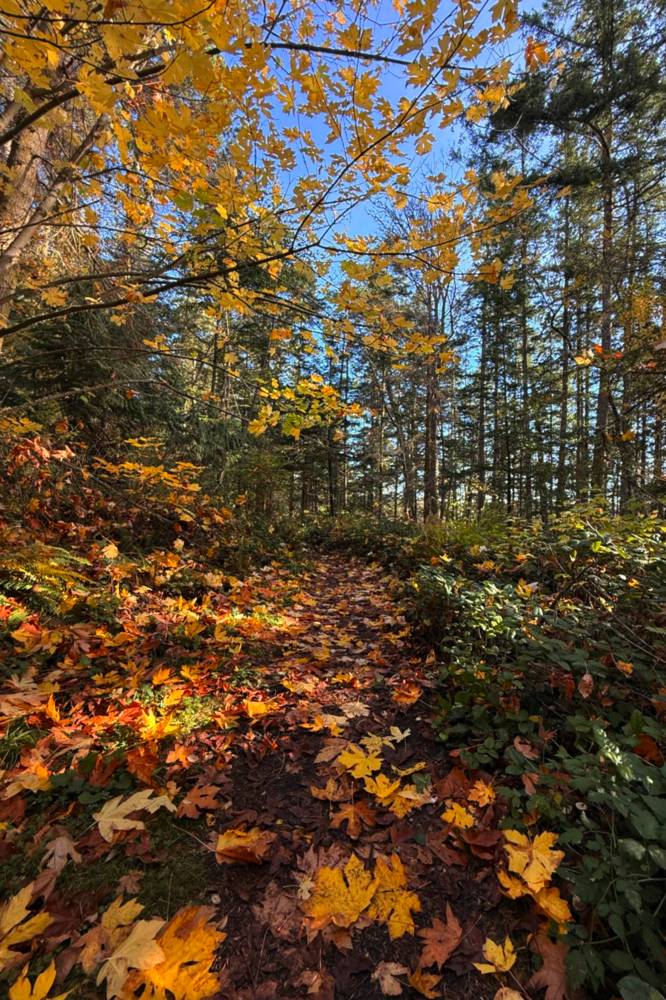
But today was in mid-November – and although normally I would wander through the galleries, it was the rare kind of day when the deep autumn colors glow with the backlight of sunny warmth that begged to be savored. I headed for beaches and trails unknown – at least to me.
Swinomish Hike on the Kukutali Preserve
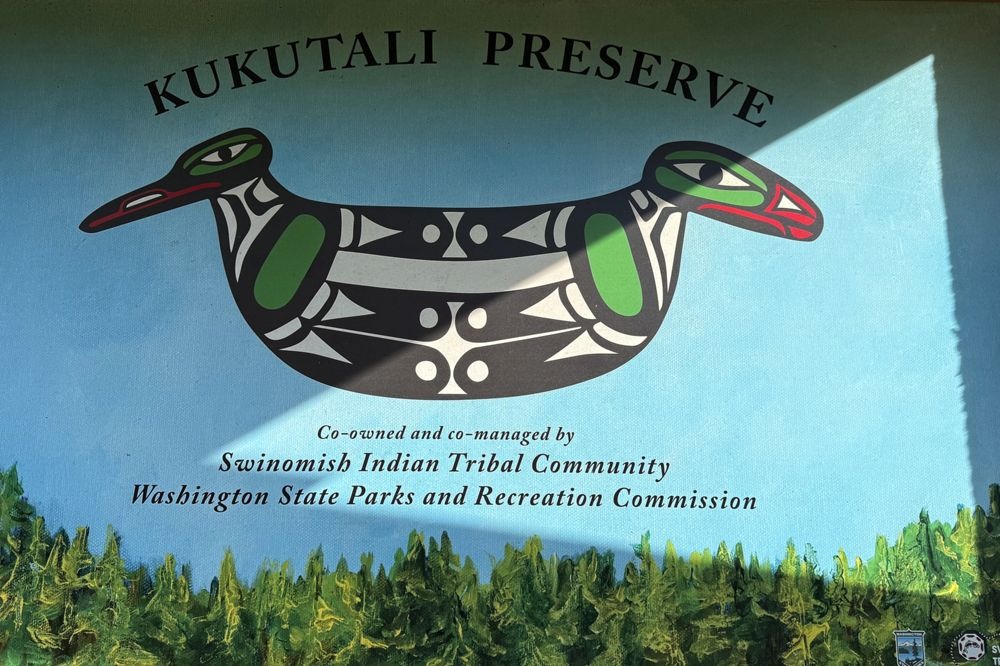
The Swinomish art on the Kukutali Preserve sign honors the Salmon People, Swinomish heritage, and the enduring Coast Salish traditions. From the Swinomish website: “Kukutali means “place of the cattail mat” and refers to the temporary shelters of cattail mats that were historically erected at summer clam digging and beach seining sites.”
Of note, the Kukutali Preserve is the first park in the history of the United States to be co-owned and jointly managed by a federally recognized Indian tribe and a state government. It comprises 83 acres, over 2 miles of shoreline, 3 islands, several trails, and abundant wildlife.
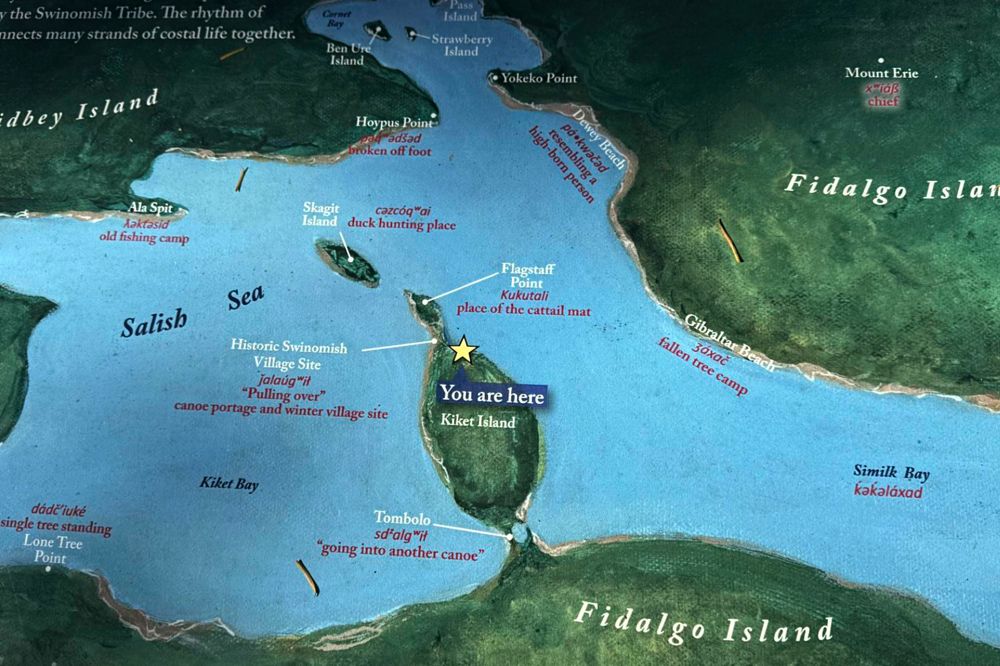
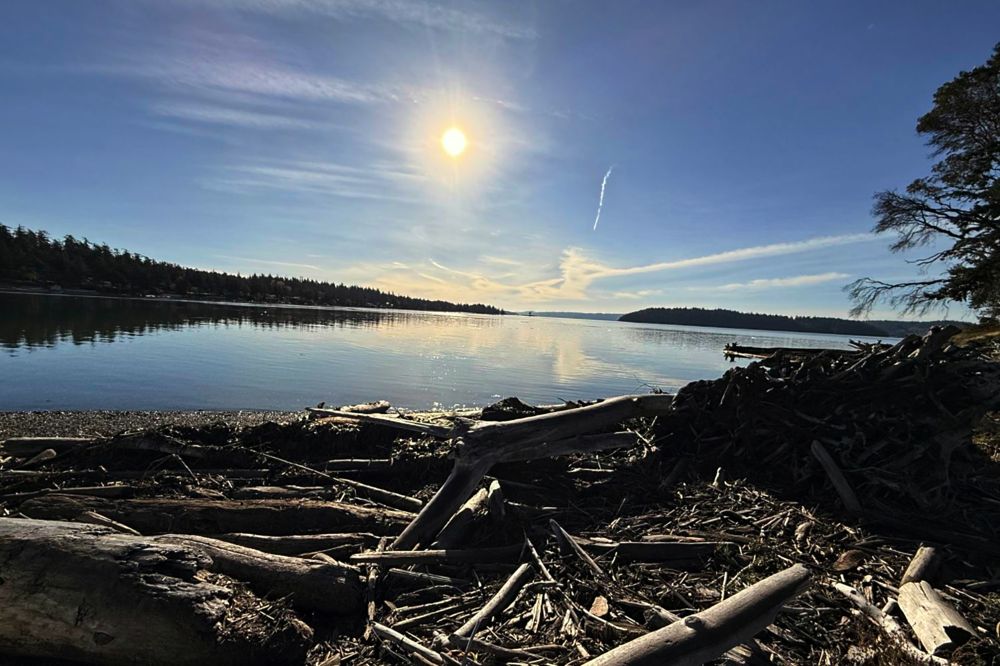
The shoreline changes shape with the coming and going of tides, outlining one against the other, although the edges are blurred. Islands, a tombolo, a hillside, a marsh… all connected by water — fresh to brackish to salt… from forest treetops to shoreline halophytes in marshy lagoons, ducks and geese, seagulls, crows, hawks and eagles — we truly cannot grasp all the connections among all the life that together are the pulsing heart and lungs of this dynamic area.
What is a tombolo, you ask? A spit connecting an island to the mainland or to another island. They are formed by stormy seas that scatter driftwood in tangled piles that hold tight to sand and soil. The area is full of stories I wish I could know.
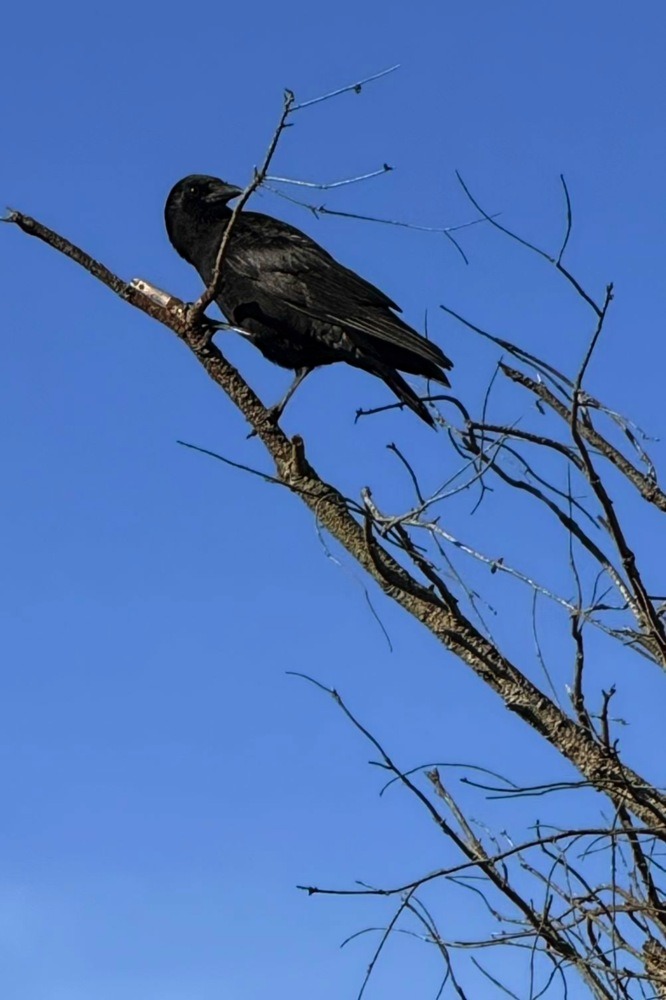
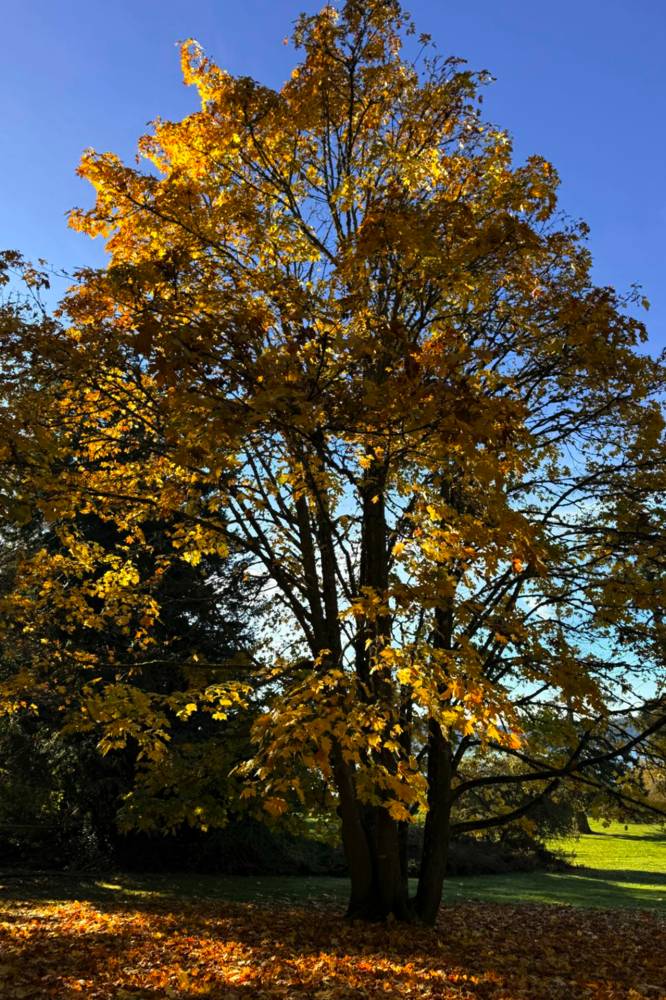
I stop to watch the sun glow through the leaves of a particularly symmetrical maple, standing alone in a park-like meadow. Sparkles dance across the water; a cluster of ducks gently bob with the waves while a kingfisher, chattering in flight, zips past me to a nearby perch. Two eagles circle overhead, calling to one another, which to me sound like high-pitched staccato screeches. I spot a harrier, which quickly takes flight at my approach. Not so a crow, that perches on a barren tree at the edge of the trail, profiling each passerby. The crow, obvioulsy, is keeping track of all.
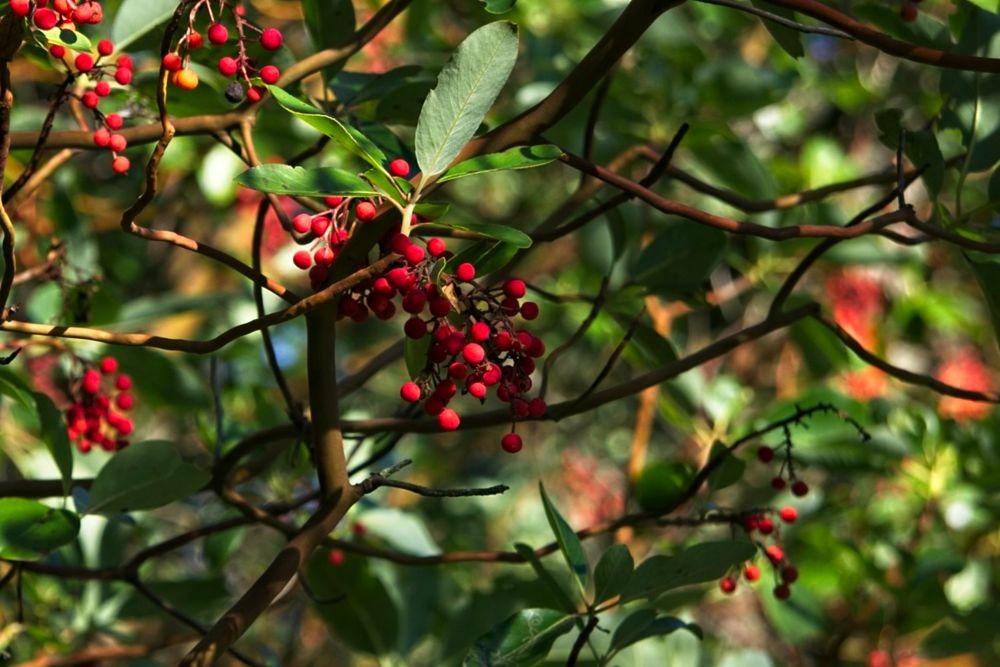
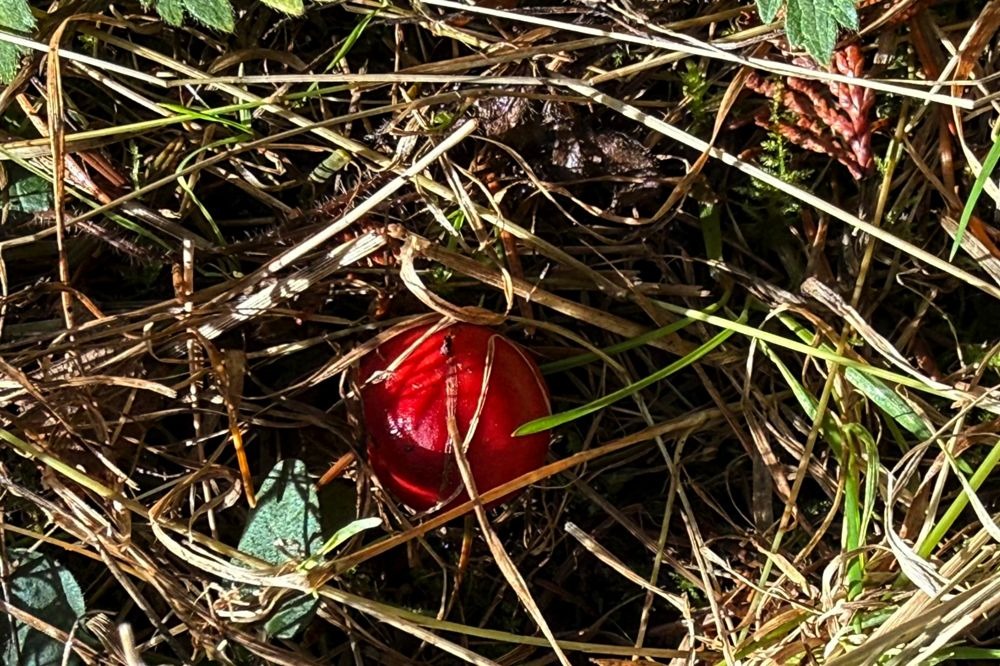
The plants are as diverse as the birds: rose hips, snowberries, 5-ft high ferns, and tiny groundcover strawberries; lots of different mushrooms here and there, and even an occasional beach daisy still blooming in November; Pacific madrones (Arbutus menziesii), with their contorted branches, flaky bark, and bright red berries against dark green waxy leaves – a truly spectacular species and unique to our part of the country; lichens, I am told a sign of good air quality, cover “dead” branches — are they dead if they are giving life to something else? Tree snags left standing; dense undergrowth not cleared. These are wild places near relatively populated areas.
To the Swinomish people for allowing us the privilege of discovering and enjoying this beautiful part of their traditional lands: my deep gratitude. Thank you.
In Search of Trumpeter Swans and Snow Geese…. Wiley Slough and Fir Island
Which, I admit, I did not find….
But who could blame them? It was the last weekend of hunting season, and the parking areas were full of bird hunters, boats, and eager dogs. Shotguns rang in the distance, and I knew I would not see anything along the slough.
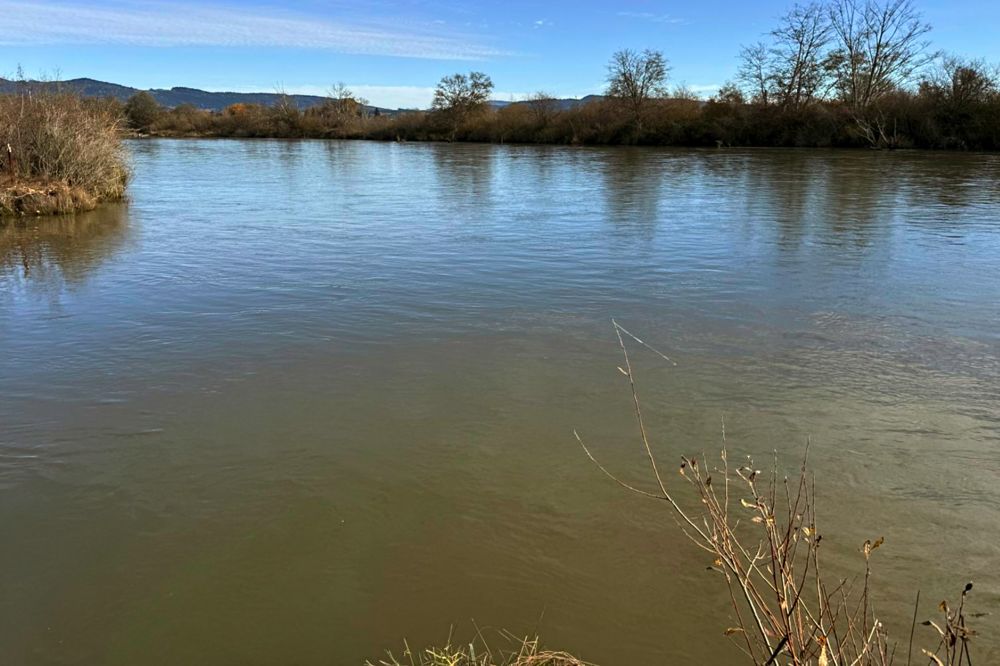
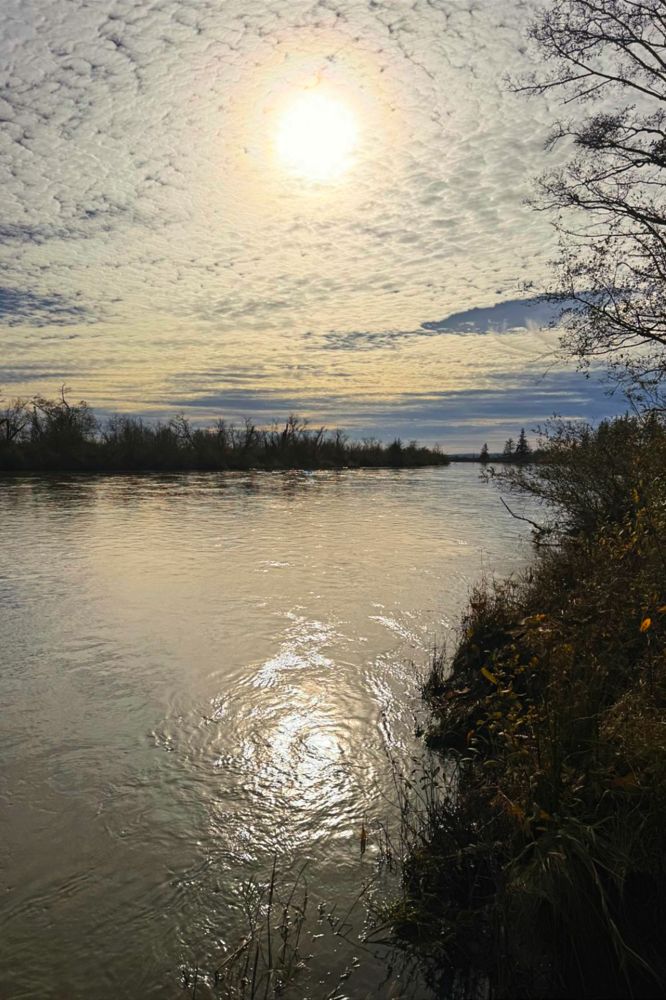
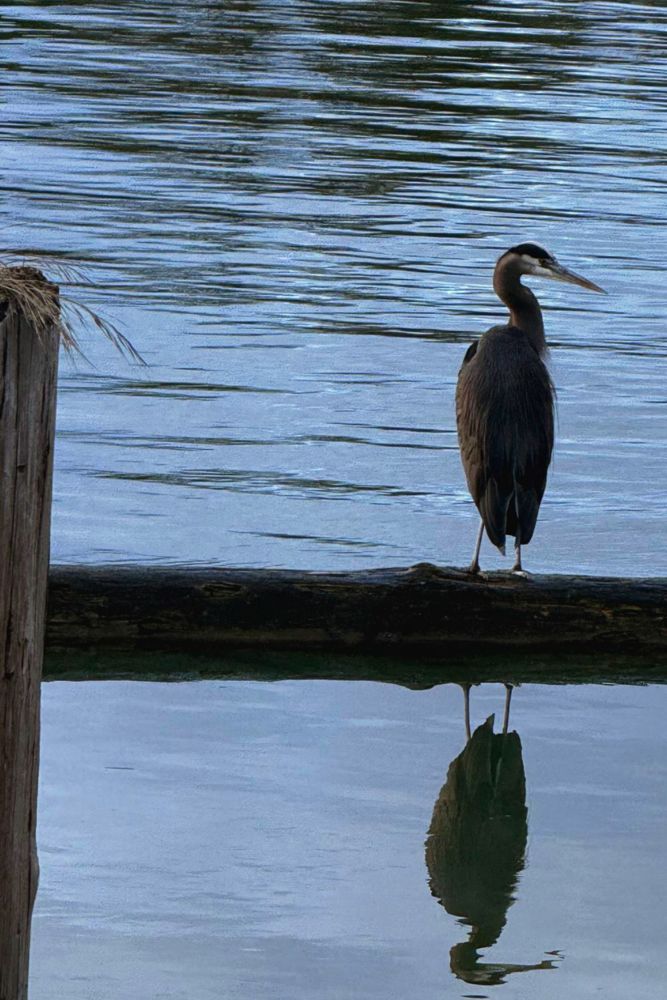
Just up the road at Fir Island, however, an area outside the designated hunting grounds (but still relatively close, from a bird’s-eye view), all was quiet but for the chittering and chattering of assorted ducks, Canadian geese, a few heron, and thousands of long-billed dowitchers, which are a kind of sandpiper bird that migrates through here.
This area is known for being a resting place for thousands and thousands of trumpeter swans and snow geese – which would be incredible to see and hear in flight. “They move around,” a well-meaning person told me.
But of course. I certainly don’t need a reason to return.

~ * ~