Question for you: do you keep a garden journal? Not just a planner – but documented observations throughout the year?? What Maddy Harland calls a “Biotime Log?” This post is a summary of what I observed and learned through my personal challenge to document changes in our backyard garden each month of 2025.

Which way are we going?
This focused effort to write (and post) about the changes in our garden each month of 2025 was a first for me. It felt like an accomplishment, seeing as how I sometimes went long stretches without posting anything at all. I started this post in December as a means of pulling it all together.
Well, holidays got busy, and then on January 2, I broke my little finger and ended up in a big bulky cast. That little setback made me rethink what I wanted to say and whether it might still be relevant.
At this point, I think it a bit insensitive to rhapsodize about our beautiful 2 acres (full of weeds, but I’m not going there right now) with the atrocities unfolding in Minneapolis and on the world stage. I feel that our country is imploding, as is everything my father fought for (a WWII fighter pilot – a living legend at 102!) and our founding fathers before him. We are destroying relationships with our best allies. We are not prioritizing human rights, health, welfare, and the pursuit of happiness. It seems there is so much suffering in the world, which will only be exacerbated by a changing climate of more extremes. Meanwhile, entire sections of the country are experiencing life-threatening cold. People are helping each other as best they can, but I can’t help but ask, where do the animals go? How do they survive??
Which brings me back to our little dot on the planet surface. A journal is a way of coping – a way of making sense of the world. And for me, it’s a way of reminding myself and others that there is still beauty and wonder all around us.
We can create places of calm – places that nurture and provide a refuge for wildlife — places where we have the privilege of following its cycles and rhythms. Perhaps they even sync with our own. We can document these and learn from them. Patterns become more apparent from day to day, one season to the next, and year by year. We develop connections. We learn to recognize and cherish the beauty of subtle transformations all around us and notice the seemingly mundane little interactions that comprise a whole dynamic, wondrous world.
It turns the garden into a story that unfolds month by month. Garden time is quite different from human time – it is more multi-dimensional: light, weather, and other plant, animal, and chemical interactions all influence the timing of how things change.
It can be captured in photos, drawn with sketches, shaped in a phenology wheel, entered by day, week, month, or just whenever. It can be part eco-log and part scrapbook of pressed flowers and leaves, ideas, reflections. Whatever you want.
So Many Advantages to Keeping a Journal
A tool for reviewing the highlights and lowlights and what to do differently…
For example, it might be nice to look back and see when you planted the peas – or when the deer came through and ate them all – and how you might prevent their easy access to a sweet snack in the future.
Or how about when the wind whipped through at almost 70 mph and snapped off the tops of towering fir trees. You (meaning me) might think about where you might plant shrubs to serve as buffers, or whether there are areas that might be more at risk of damage from falling trees.
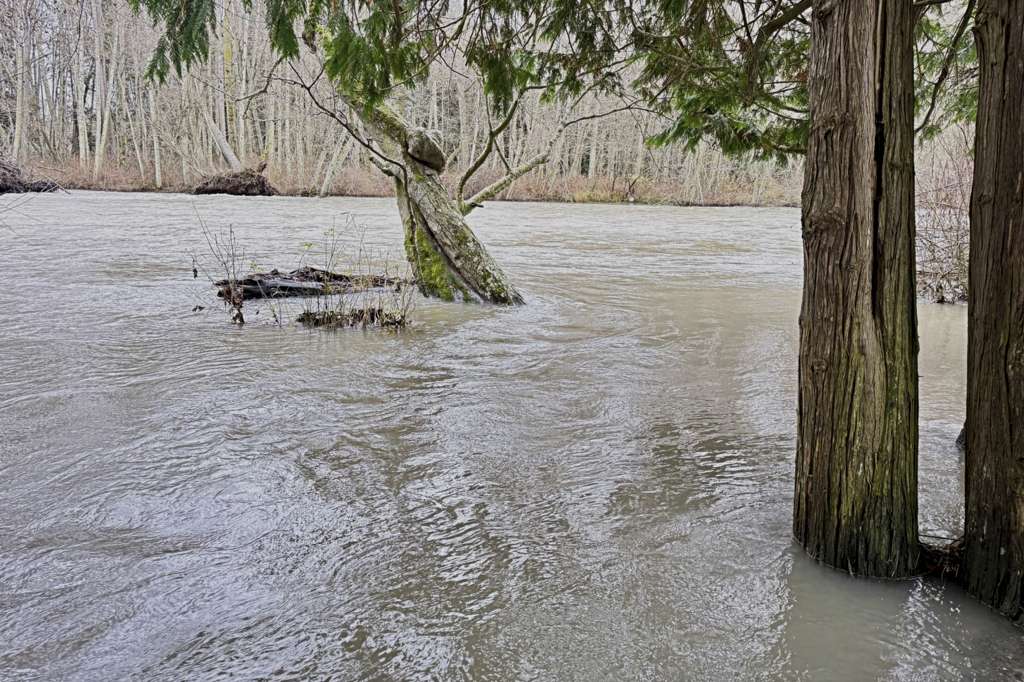
You might remember when the rains poured down so hard that the river almost overflowed the banks and think about how you might be able to divert and/or store more of that water for the dry days of summer. Are pools, ditches, or water holding tanks practical in an area with a 30-year average of less than 16 inches/year of rainfall? Would soil that is rich in organic matter be a better reservoir?
Finding answers to questions…
Which areas get the first rays of sunshine, where does the snow first melt, where does the water pool up after a hard rain, and how do the shadows change from one equinox to the next?
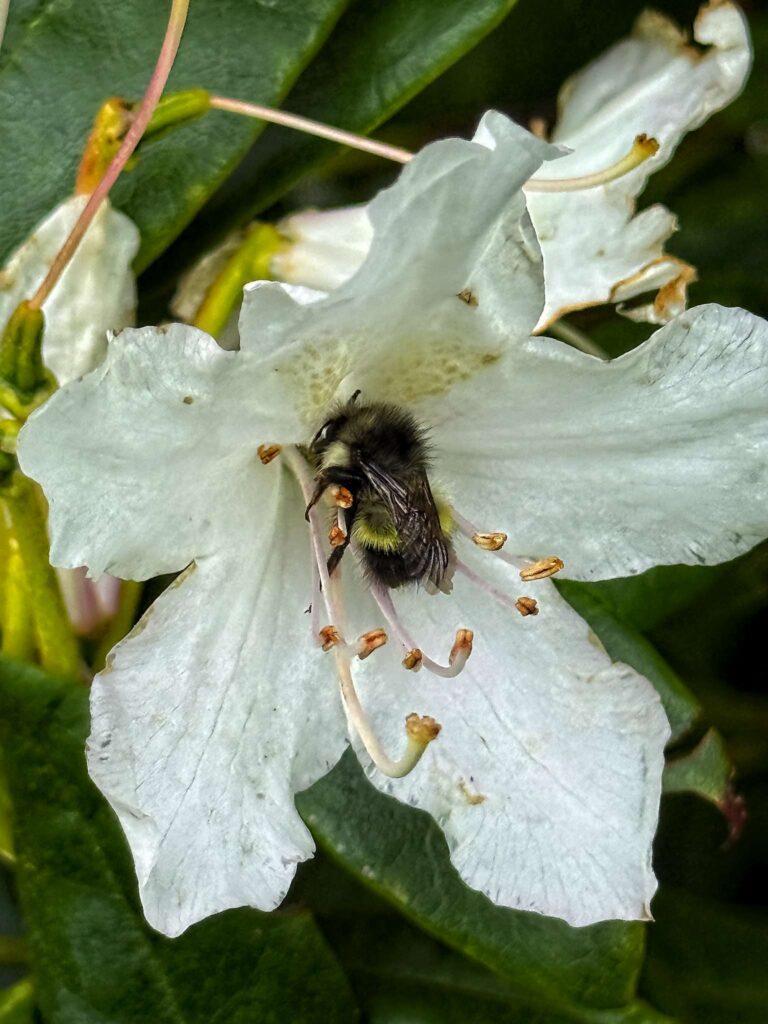
Which shrubs attract which kinds of birds? Or bees?
Which flowers are blooming at the bookends of the growing season, i.e., very early spring and late fall, when food might be hard to find?
A place to put good memories…
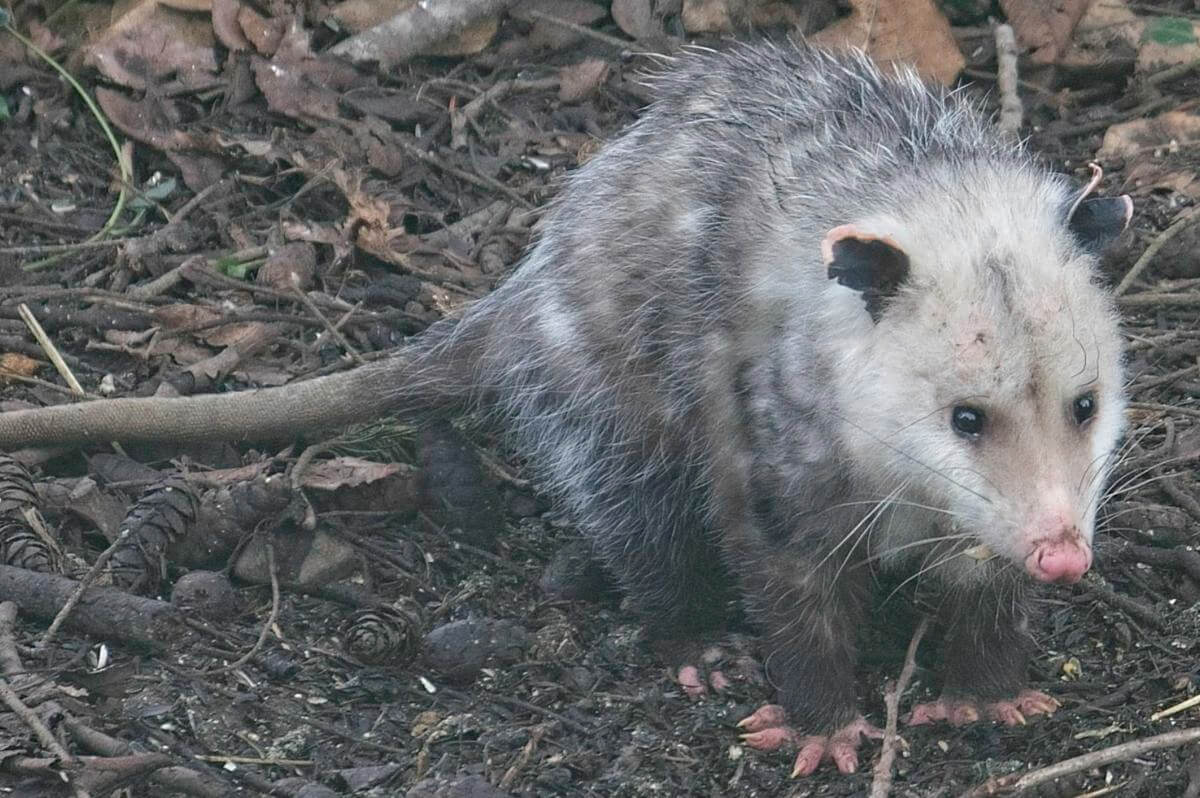
…such as when the opossum limped into the yard with several cuts on her face, seeking food and shelter in midday – and then came back again, looking so much better before going on her way.
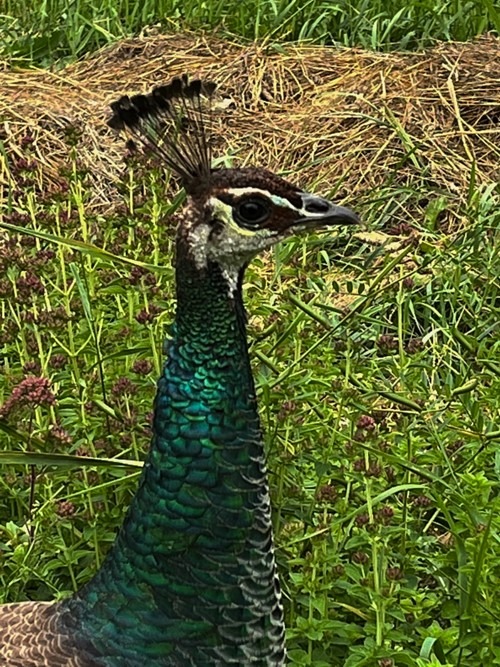
And the crazy saga of the peacocks, who seem to show up year after year to nest in our backyard jungle – but who are not completely safe from eagles, raccoons, coyotes… A sanctuary attracts assorted wildlife, but also their predators – it is a hard lesson.
Or that time – like, today! – that despite the cold and frost melting on its petals, a rose bloomed in the morning sun. It gave me such hope!
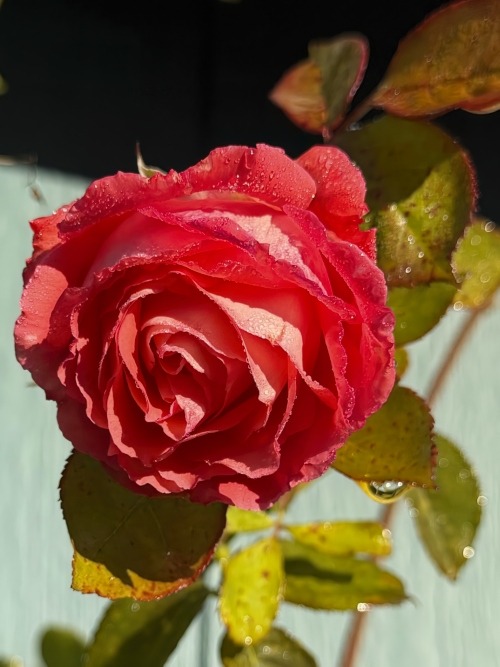
Can you believe it?
A means of documenting major events…
…like weather, phenology (the timing of first forsythia buds; bird migrations) – projects – or assorted wanderings (different ecosystems from outer coast to alpine forest to southwest deserts—so many beautiful places! It doesn’t have to be just your own backyard).
Keeping a journal provides insights into relationships, comings and goings – and we are reminded, it’s not always what we see, but often what we don’t.
I can look back and see that primroses were blooming last January, as were pink violets, and there was a lot of pollen on the hazelnut tree catkins. It makes me want to rush out there right now to look for primroses and the change in the catkins. I know for a fact that pink violets are already blooming in the center of the Willow Cathedral, which is just phenomenal – but apparently, normal.
Some things I learned in keeping a monthly garden journal:
- It teaches you to pay attention
- Some things stay more or less the same — you have to watch for subtle cues in transition. It is often not anything abrupt, but rather, slow and gradual – more of or less of…
- Every month and, if you look closely, every day has new discoveries and something exciting to offer
- It teaches you to not only notice, but to go the extra step to write it down or record it in some way – because that allows you to vividly transport yourself back to that memory
- It teaches you the importance of connections – not only with the air and water upon which all life depends, but also with each other. We are all stories – the stories of events, what we do, what we create – how we spend the days of our lives – what we sense and feel – and this is true of every living being. Even slugs. Maybe even especially slugs. And the plants they slime on.
- It taught me something about the connection I have with my readers. Why do they sign up? Why do they stay? (or leave) Who are you? I am touched by each one, knowing you are real people with real lives – gardens, families, things you do. I am touched that you would want to spend time reading and sharing my thoughts. I want to hear yours.
- In a time of AI-generated instant answers, marketing, constant over-stimulation and noise trying to grab our attention (and pocketbooks) – it gives us an escape – and an opportunity to observe, hear, smell, touch, taste, listen to what is real. A song bird in the morning, a sprout that lifts its first leaves to the sun, a flower that opens for a single day, the smell of the pines after a rain, the rustle of leaves in the fall, snowflakes melting on your face — these are not AI-generated.
- It taught me a little something about the importance of consistently showing up.
- It reminded me: you can’t do everything. The vision will not match the reality — and that’s ok. You can’t control everything — you have to be able to let go, because there is more to life than pulling bindweed.
No denying it. This challenge was difficult.
Writing is difficult! My perfectionism kicked in. Trust me. You don’t have to put your personal journal out there on the Internet!
Admittedly, I take way too many photos. I struggle with the tasks of sorting through them, picking out the best (decisions – agh!), optimizing them for the web, and then uploading them without bogging down the site.
In times of overwhelm…
…I would go back out and watch the juncos and the chickadees taking turns at the birdfeeder, or the peacocks who invaded our quiet little convent and who entertained us with their antics, or see if I could quietly walk past the deer bedded down among the willows without disturbing them – and between the first dandelion and the last calendula, a whole world of shapes and colors exploded, attracting bees and hummingbirds and squawking jays, until the plants flung their seeds to the future and folded into a crumpled heap amongst the leaves where fallen insects and moth larvae wait out the winter. Meanwhile, the trumpeter swans reflect a silver light as they fly overhead, while a dedicated group of volunteers follow their habits and share their sightings. The storms blow in, the river plunges over cliffs, and the salmon make one final journey….again.
We are so very privileged to stand by and marvel at the constantly changing theater of every day. Remove one character and everything else must adjust. We are all connected.
Journaling helps us to feel those connections.
It teaches us to slow down and notice these small miracles that give us so many reasons to smile. It teaches us to be better observers, and from that, there is much to learn.
I hope this inspires you!
This might be the perfect time to start your own backyard / nature / biotime / garden journal – whatever you call it and in whatever shape or form you choose to create. It doesn’t have to be at the beginning of the year (the birds certainly don’t know or care what day it is.) And it’s not about perfection – it is something to make your own.
Possible Resources?
This is a book I just ordered. As of this writing, it is 40% off through Amazon (affiliate link). I’ve wanted it for a long time, so I am pretty excited that it is arriving tomorrow. I hope to do more nature sketching (and journaling – not necessarily for the website, though!) in 2026. I listened to a webinar by the author, John Muir Laws. He made it sound so approachable. He notes that a garden journal/sketchbook can become the intersection of science and art and can improve observation skills, thinking, and brain connections. The practice will give insights into nature and yourself.
“Journaling slows you down ‘to the speed of wonder.’”
You might find it changes the way you see things. And it might also bring you calm in a very chaotic world.
This is the book that got me started in 2020 with a systematic way of recording observations over the years. I am a big fan of the author, Maddy Harland, who is the co-founder and editor of Permaculture International magazine. She is also the author of Fertile Edges: Regenerating Land, Culture and Hope.
The book is a journal – meaning, blank pages for the days of the year. For each day, you fill in the year and your observations. On mine, some days have several year entries and other days, none. It makes it easy to look back and see trends and anomalies because they are gouped together.
She has included some soft illustrations by Jane Bottomley on some of the pages, which are nicely done without being too intrusive.
Could you do the same with a spiral notebook? Sure. But would you?
January 2026 Update
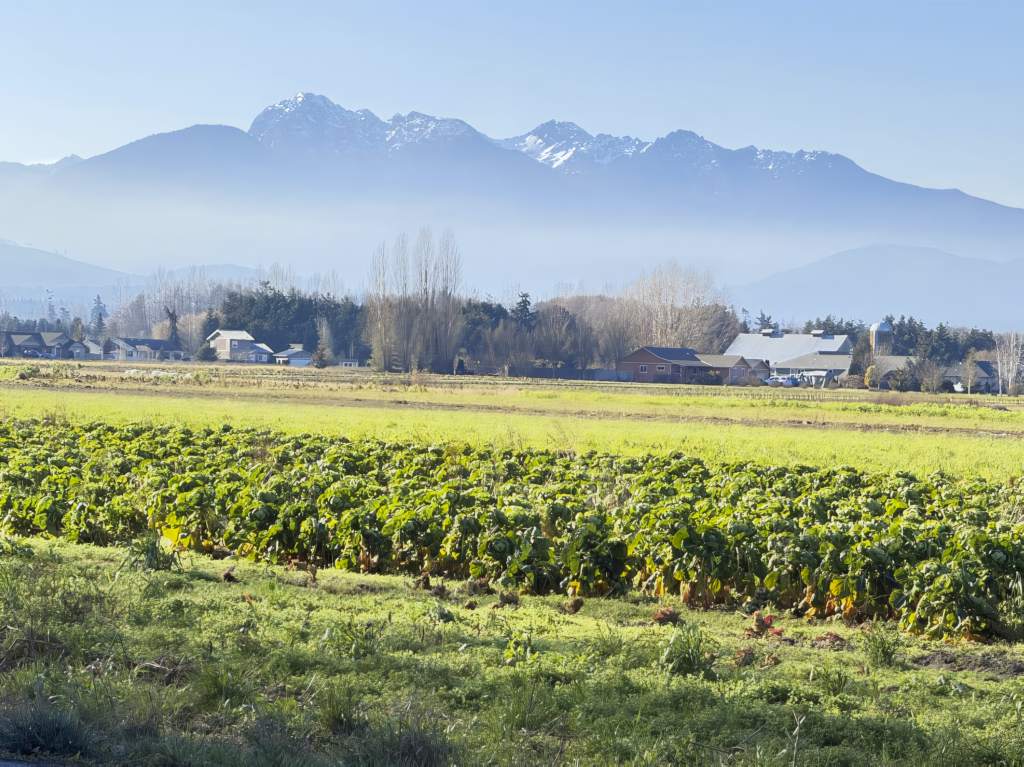
As for us, we are having another beautiful January day, sunny and crisp. Everything is covered with frost in the mornings, but my afternoon walks reveal chickweed and wild mustards reaching for the sun, and even a dandelion blooming! Such a treasure at this time of year! I know we are privileged to live where we do –
Wherever you are, I hope this finds you warm and safe.
*-*-*
2025 Recap
Did you miss some of the entries over the past year? Here is a summary of 2025 (take the links to the blog post to see photos and read the stories):
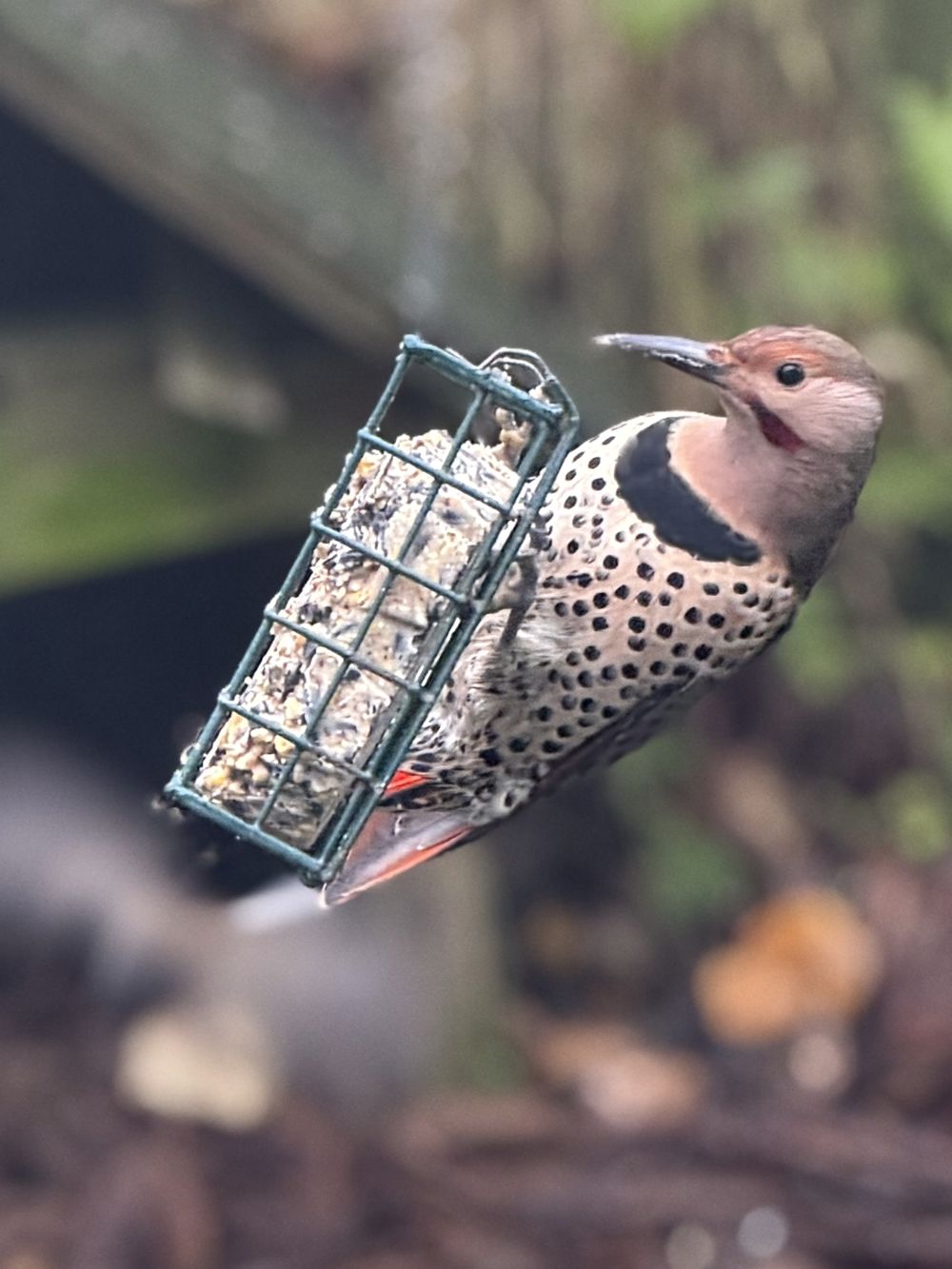
January – We begin the bio-log/backyard journal. So many winter birds! We are already seeing the swelling of buds on shrubs and the red crowns of rhubarb—even a few flowers blooming! (Hello primroses and violet!) Brighter days lie ahead!
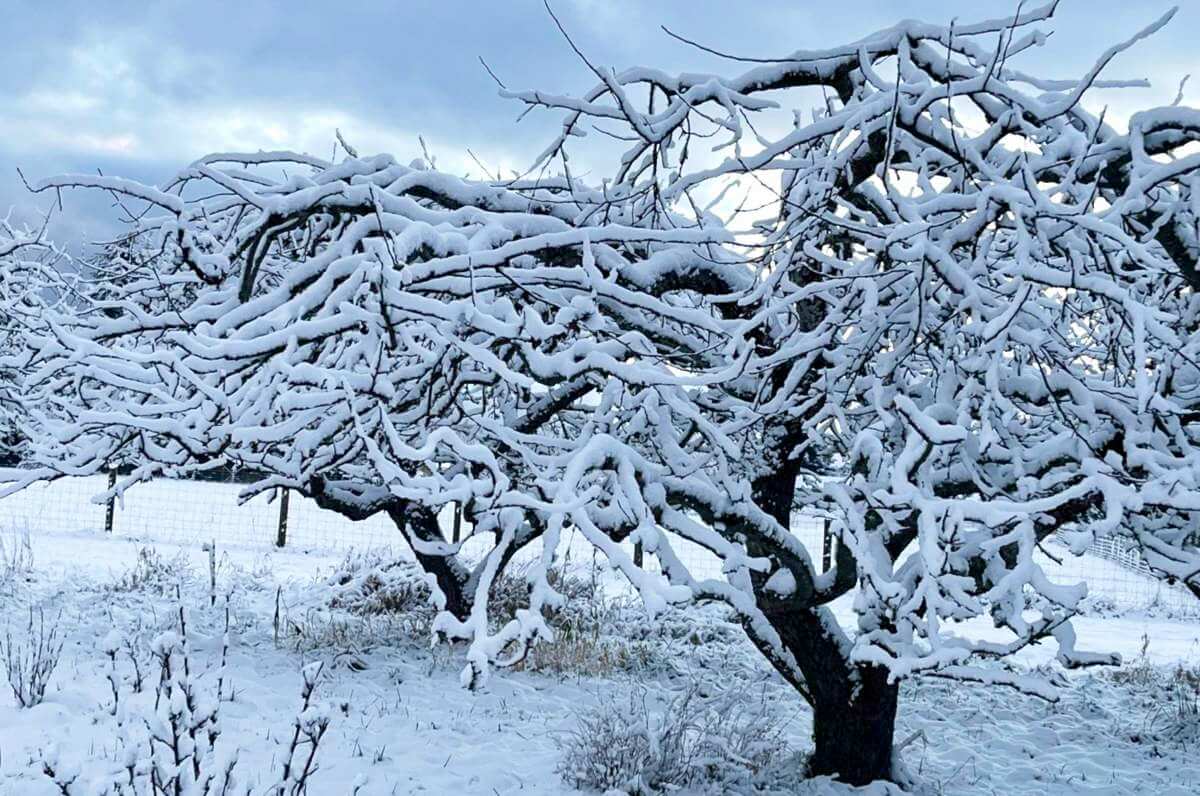
February – a reminder that it is still winter: snow! A hawk becomes a routine visitor. We are also visited by an injured opossum who greatly appreciated a few slices of apple — s/he came back later looking much better. Cornelian cherries, pulmonaria, and violets are all blooming, while Oregon grape, red flowering currents, and daffodils all have buds that are almost ready to open.
March – Daffodils, dandelions, red flowering currants, first nettles, and so many signs of spring. Lots of wind, coyotes at twilight, and a lunar eclipse!
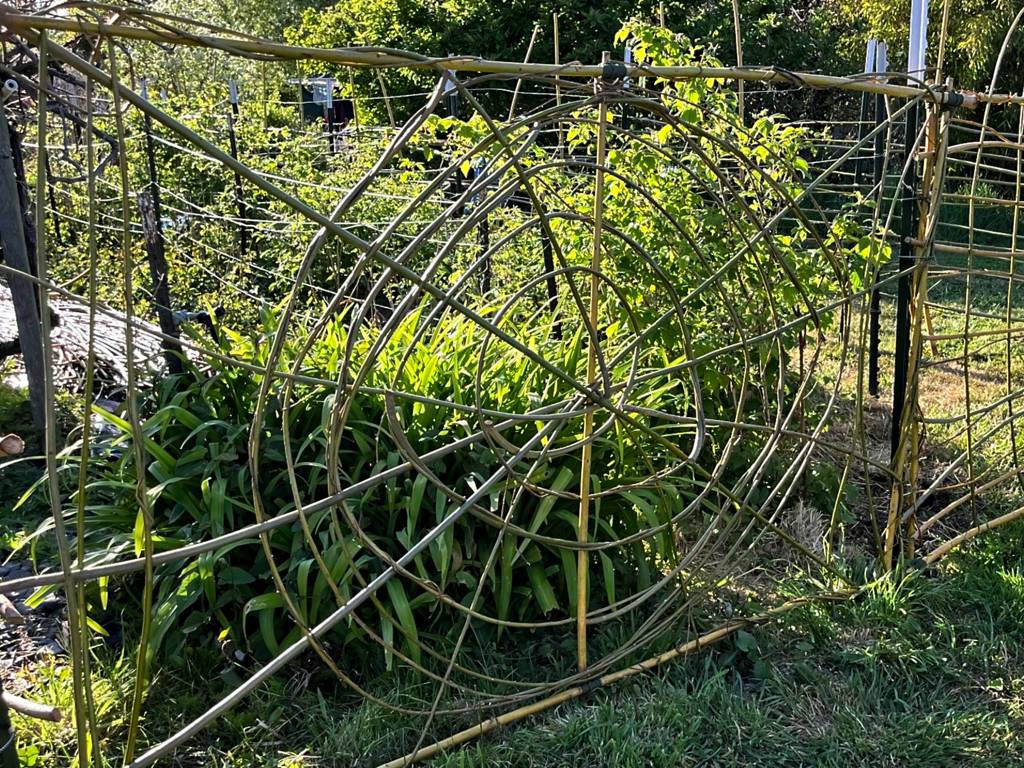
April – when I make a funky, artsy willow fence that actually keeps the deer out of the raspberries, zillions of ants invade the greenhouse (yikes!), and one very handsome peacock scopes us out for future escapades. Uh oh. Plus – So many flowers!
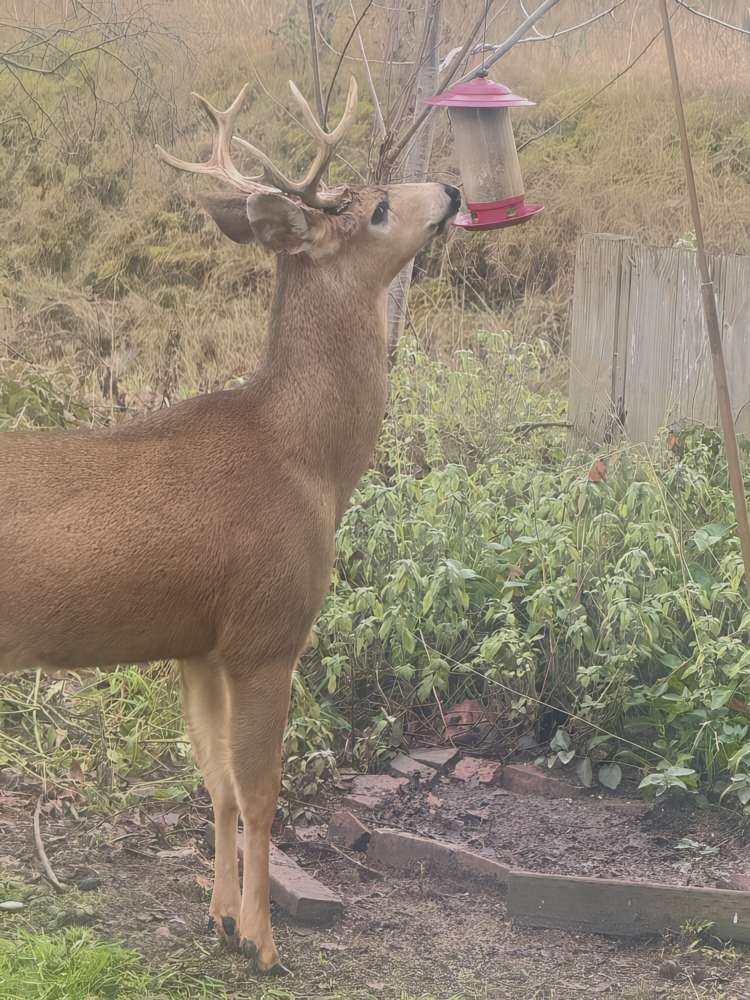
May – the air is dense with pollen and the scent of flowers – it literally vibrates with bees. Everyone moves in: birds are partying at the watering holes; deer are emptying the seed feeders; an opossum forages for roots and seeds (same one as earlier?); and then there are peacocks (plural)…. And to add to the menagerie, we adopt a shelter cat (who will stay indoors and change our lives…)
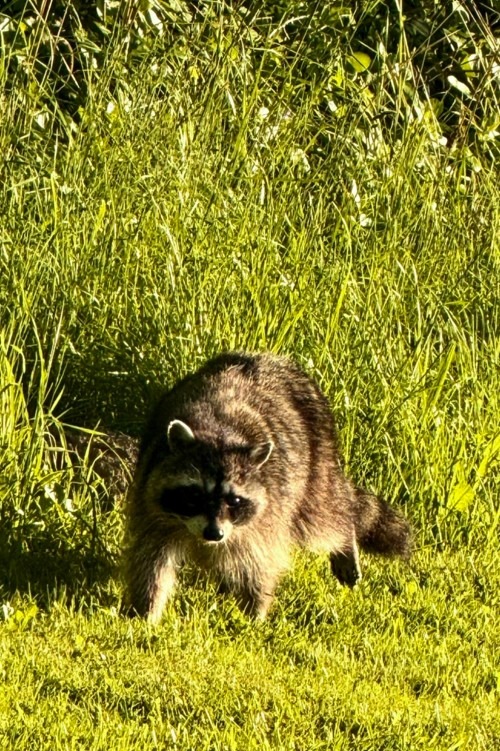
June – The grass is 5-feet tall and bindweed is taking over. I slice through the jungle with my trusty scythe. Ever stand in the middle of a bee swarm? Organized chaos! A bold raccoon and a very young opossum stop by. Birds are busy nesting, including peacocks, who introduce us to 3 adorable baby chicks! But then tragedy strikes…
July – Tall flowers, berries, cherries, and the crows that crave them – July spells abundance – and also a bit of overwhelm as the bindweed gets a serious stranglehold. The deer have new antlers and keep a watch in the tall, now golden grass. The sky is hazy, the sunsets dramatic, and the moon orange from regional fires. We camp out under the stars in our own backyard. We hold tight to this little oasis.
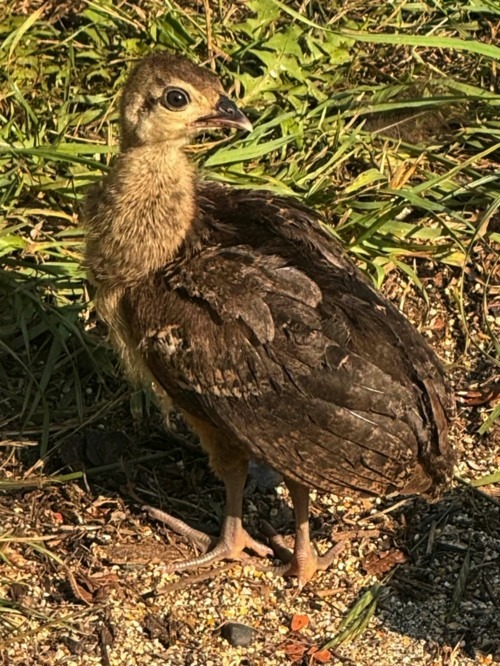
August – sweltering heat, bugs, and a splash of rain in the tinderbox Northwest…not enough. Plants at their peak are already forming seeds; others make one last call to pollinators. A very protective peahen introduces us to two new chicks! We are enchanted and hopeful that these will survive. We ensure there is water and shelter for wildlife and savor these last days of summer.
September – September is spectacular! So many gorgeous colors; so many fall fruits; so little time! The days get shorter. Seeds fly in the wind. Mushrooms bloom beneath the pines. Salmon start their journeys up the river. Peachicks are strong enough to make the journey to their winter home and off they go. We build Minou the rescue cat a fancy outdoor cage, aka catio. She’s not too sure about it.
October – a month of magic, when the leaves began to fall and the portals start to reveal themselves. Some of the snowbirds are noticeably missing; the homesteaders remain. Fall fruits are abundant: seaberries, Cornelian cherries, autumn olives, and so many apples. Insects greatly appreciate fall flowers in the chilly early mornings. We scramble to make room for potted plants in the greenhouse, get things put away, and preserve the abundance while we can.
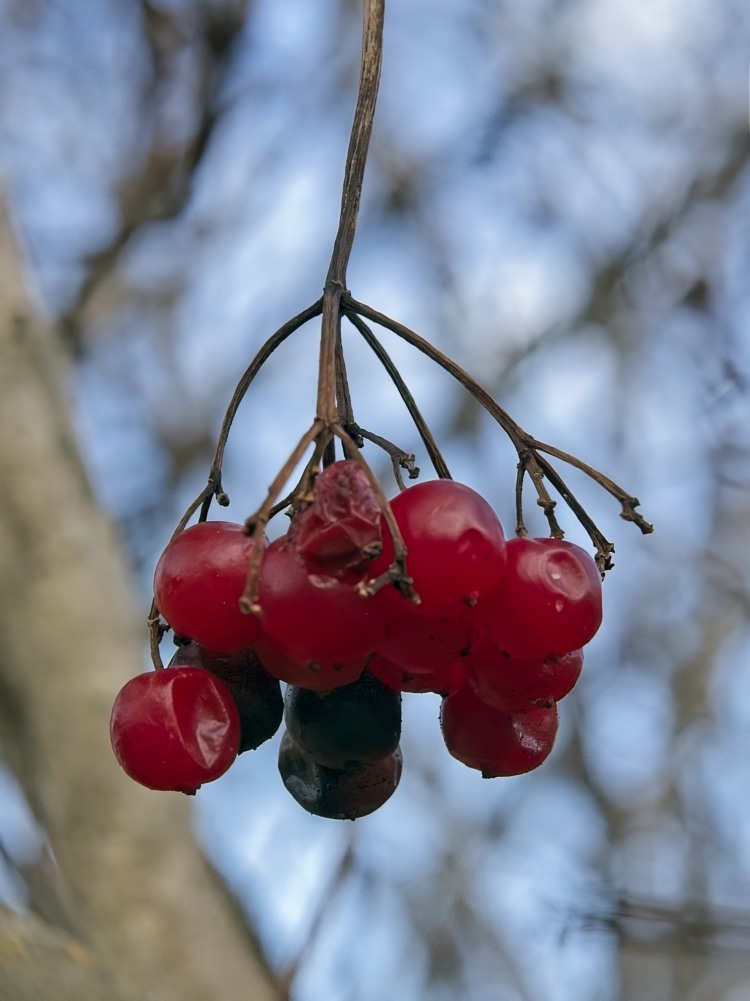
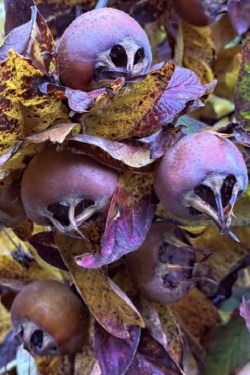
November – wind, rain, fog, piles of leaves, grapes (!), falling apples and medlars – what to do with them all? Lots of fruits for the birds and other wildlife, including Oregon grape, rose hips, highbush cranberries, and evergreen huckleberries. We leave it all behind and escape to the Arizona desert.
December – the Northwest is hit with one storm after another; some communities are completely flooded. Winds blow through here at 69 mph; the nearby river threatens to overflow its banks; waterfalls plummet over cliffs, striking awe in spectators below. In the aftermath, I marvel at what is still determined to stand tall – and even bloom. We pause on the solstice; I get busy in the kitchen, making gifts for family and loved ones; we give to those who could use a helping hand, and gather for the holidays.
It strikes me that every month brought something to celebrate. Thank you 2025!
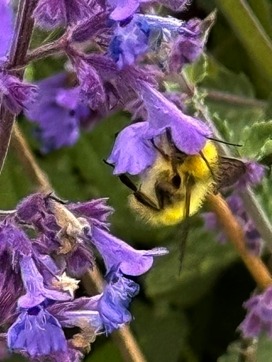

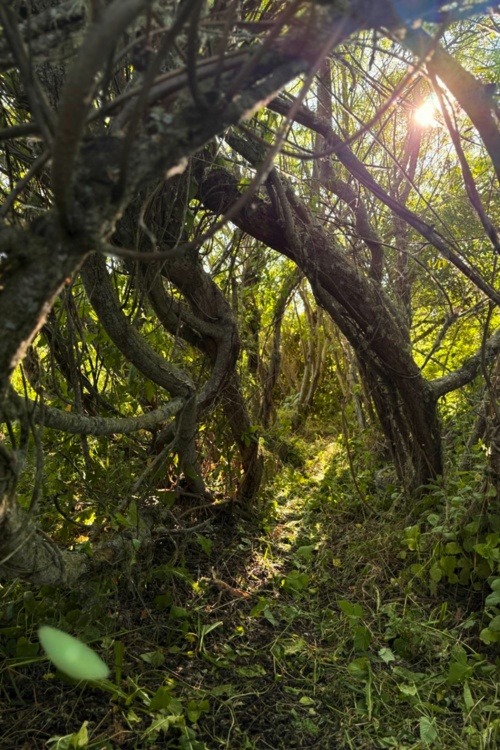
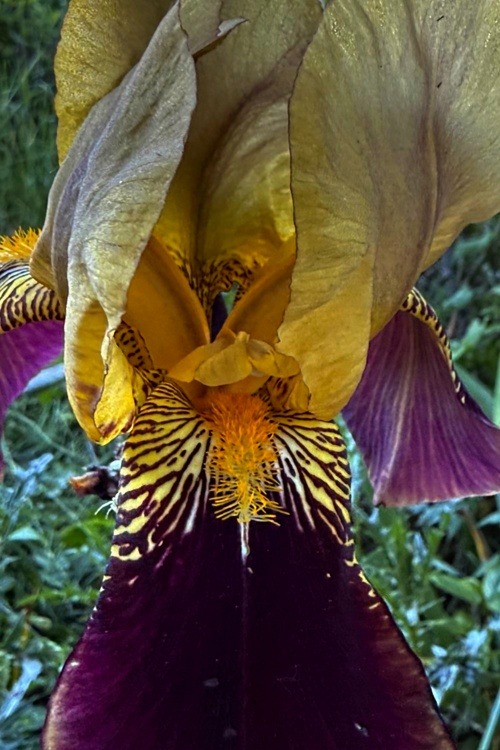
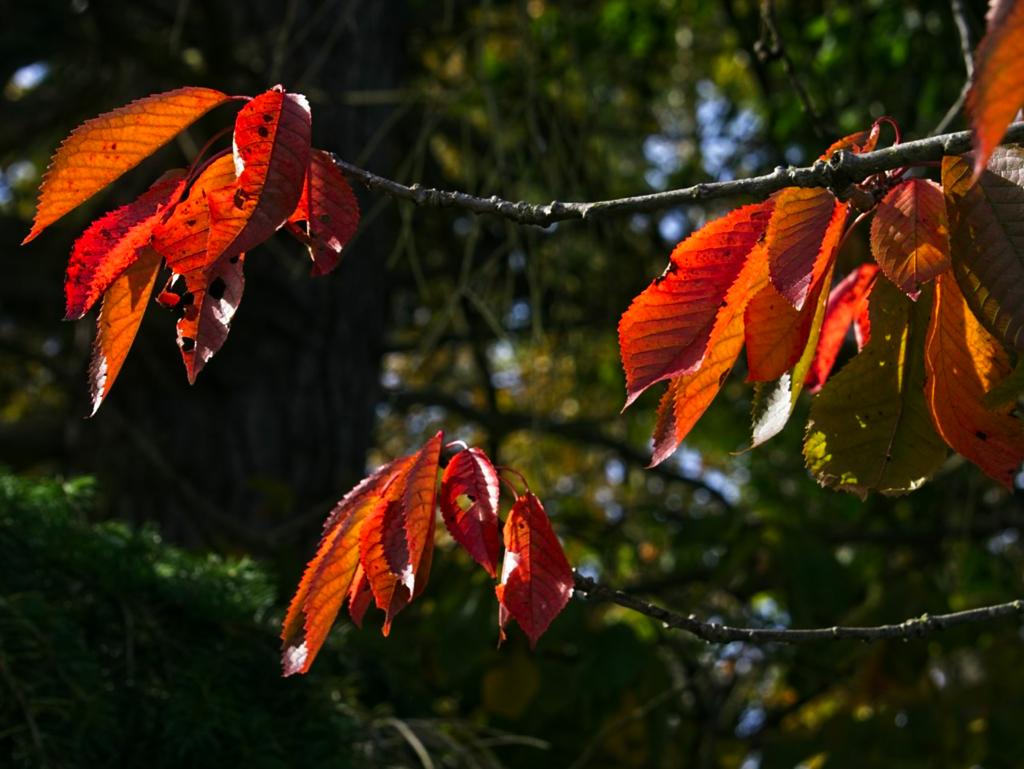




Oh, AND the coping mechanisms photo of Minou! Priceless!
HaHa! I knew you would like that one. We can learn so many things from our cats (and also dogs — I still miss mine)! And the way she stares up at me, daring me to question her choices! Haha!
For readers who might not know what we are laughing about and haven’t seen the newsletter, you can take the link here to the most recent newsletter, Garden Journaling — what and why? Please feel free to sign up, which you can do right HERE!

(yay! I was able to add the image in the reply comment! but I’m not sure how to delete duplicate links – technologically challenged!)
“Journaling slows you down ‘to the speed of wonder.’” Love it!
The photos are great and I appreciate the encouragement of a gardening journal.
I’m afraid I have always let my saved photos ‘be’ my journal.
Last week I brought in a few cuttings from spirea and quince which had started to flower and were about to be hit by an ice storm. Today they are blooming on my table. So pretty, so fragile. I cut their individual lives short though. But I will continue to provide space for their parents.
Deirdre — Will they root in the water? Is this early for you for blooming quince & spirea? Ours are much later — but I think I am growing something a bit different — Spirea douglasii, which is native to our region. Photos have been my main way of documenting things, too. I like being able to zoom into details on the computer. I will continue with the Biotime Log, which has been mostly for brief notations – weather records, new bird & other wildlife sitings, plant changes, etc. But I’d also like to try something more expressive with sketches and other things I notice – and not just of our own backyard, but also of hikes and camping trips. We’ll see how far it goes. Can always pick it up again later.
Hope you are thawing out there back East!